
Raising Kids Who Actually Want to Pray
It starts with letting them see you do it badly.
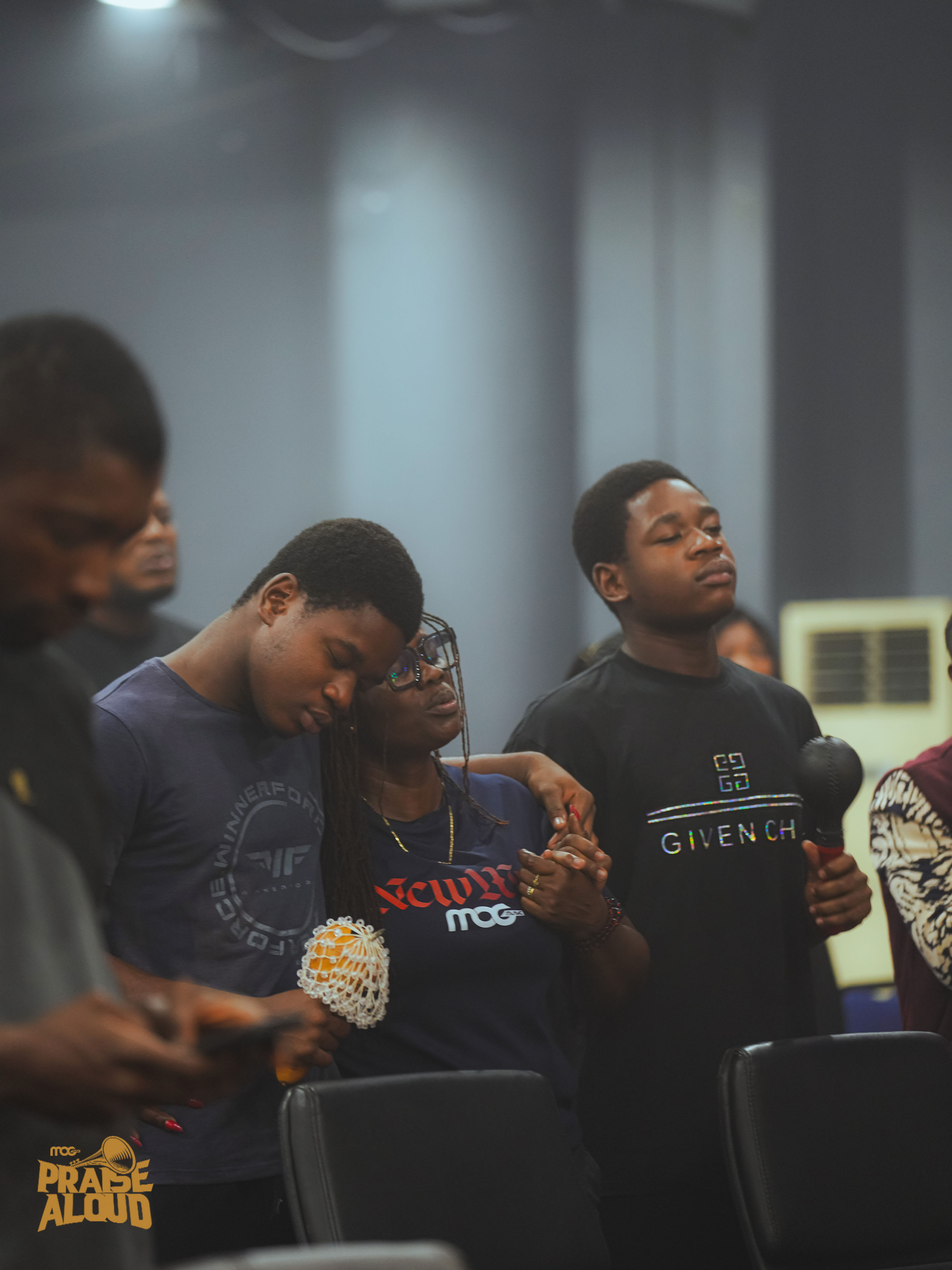
My son once asked me why I always close my eyes when I pray but sometimes forget the words halfway through.
I told him the truth: I forget the words because I'm not performing. I'm actually talking. He thought about that for a second and said, "Oh. Like when I talk to you." Exactly like that.
That little exchange has stayed with me longer than most sermons I've heard on prayer. Because he understood something in ten seconds that many of us spend years trying to unlearn.
Prayer isn't a recital. It's a conversation. And children figure out which one it is by watching us.
Kids don't learn prayer from a curriculum
Kids don't learn to pray from a curriculum. They learn it from watching an adult they trust do it imperfectly, sincerely, and often. Not the polished version reserved for church. The stumbling, half-finished, sometimes-crying-in-the-car version.
Look at how the disciples learned. They had heard Jesus teach and watched Him heal. But the request they made in Luke 11 was "Lord, teach us to pray," and they asked it right after watching Him pray. They wanted what they saw.
Our children are no different. If they see an adult who only prays at set times in a set voice, they'll conclude prayer is a ritual for special occasions. If they see an adult who turns to God in the kitchen, in traffic, or in the middle of a bad day, they'll conclude God is someone you can actually talk to.
The problem with the three-line prayer
If your prayer life with your kids is mostly reciting the same three lines before dinner, that's not wrong, but it's not the whole picture either.
Set prayers have their place. But when memorised words are the only prayers a child hears, a quiet message gets passed along: prayer is something you say, not something you mean. And children are very good at telling the difference between what adults do because they have to and what they do because they want to. Routines are the first things teenagers drop.
Let them see you pray about something real
Let them see you pray about something real. Let them hear you say "I don't know what to do here, God" out loud.
This is uncomfortable. We want to look strong in front of our children, so we save honest prayers for after they're asleep. But that teaches them that when life is fine, you pray, and when life is hard, you go quiet and handle it yourself.
They don't need every detail of an adult problem. But they can hear you say, "Lord, work has been hard this week. Help me be patient when I get home." They can hear you pray for a sick relative by name, or thank God for something specific that went right today. When their own hard days come, they'll already know where to take them.
Let them pray badly too
If we want children to pray honestly, we have to stop correcting their prayers.
Kids thank God for the dog and the cartoon. They go off on tangents and stop halfway to ask for juice. Every time we fix their wording, we teach them there's a right way to sound when talking to God, and prayer becomes a performance again.
Jesus welcomed children as they were. Let them thank God for the dog. That's real gratitude, and depth comes with time. What you're protecting now is the belief that God wants to hear from them exactly as they are.
Be honest about unanswered prayer
Sooner or later, a child who really prays will pray for something that doesn't happen. A grandparent doesn't get better. A friend moves away anyway.
Resist the quick explanation. You can say, "I don't always understand why God answers the way He does either. But He heard you, He loves you, and we can keep talking to Him about it." Show them the Psalms, where David complains and questions and still ends up trusting.
Children told that prayer always works the way they want will eventually feel let down. Children told the truth will have a faith that survives disappointment.
Build it into ordinary life
Deuteronomy 6 pictures faith woven through the day: when you sit at home, walk along the road, lie down and get up. Prayer can work the same way.
- The school run. Pray briefly for the day ahead, and let them add something.
- Bedtime. Ask what they're thankful for and what they're worried about, then pray about exactly that.
- Bad news. Pray right then, out loud, instead of saying "we should pray for them" and moving on.
- After you get it wrong. Apologise to your child, then pray together. It shows them God is someone you return to, not someone you hide from.
None of this takes extra time. It just turns moments you're already having into moments where God is included.
As they grow, don't force it
There may be seasons, especially the teenage years, when your child doesn't want to pray with you. Pushing harder rarely helps and tends to confirm that prayer is about control. Keep praying for them, keep living it in front of them, and now and then ask if there's anything you can pray about.
Accept the answer, even if it's no.
Paul reminded Timothy that his faith first lived in his grandmother Lois and his mother Eunice. Not a programme. People, watched up close over years. What your children saw you do at eight may be exactly what they reach for at twenty-five.
What you're really aiming for
The goal isn't a child who can recite a prayer well. It's a child who believes prayer is something you actually do when things get hard, because they watched you do exactly that, more times than you realized they were watching.
Written my Maxwell H.
